Define the effect
Start with the requirement, payload, deployment environment and operating constraints. The airframe is shaped around the mission.
Land Forces 2026 · Stand 2L01 · Perth
Rocket Fast Drones turns mission requirements into autonomous aircraft. One control architecture. Multiple airframes. Direct launch from stored state, with no assembly or field tools.
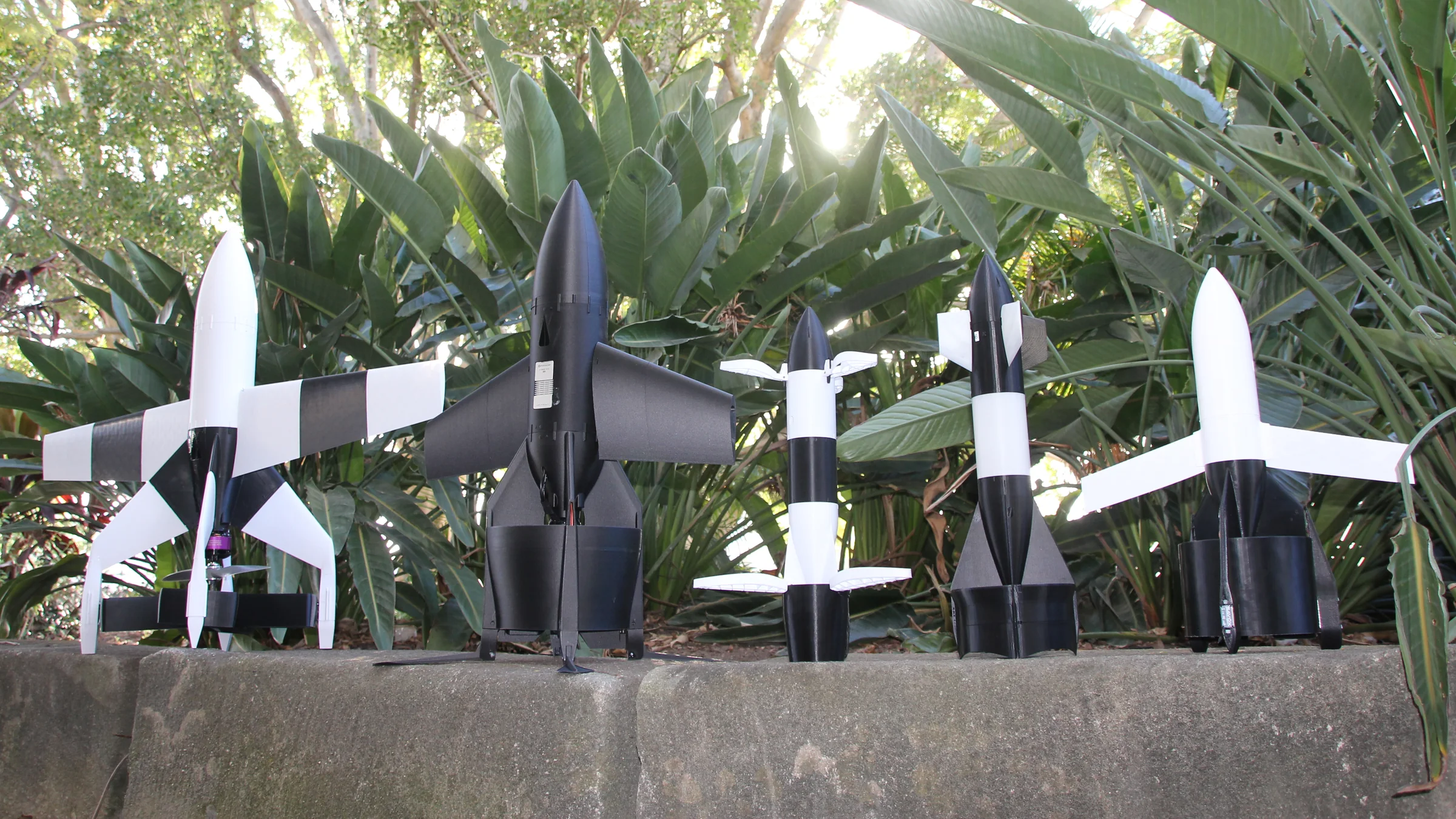
The operator should act on intent, not manage an aerospace development programme in the field. RFD keeps the hard work inside the platform and presents the decisions that matter.
Start with the requirement, payload, deployment environment and operating constraints. The airframe is shaped around the mission.
Flight software, simulation, ground control, autonomy and manufacturing methods carry across the EP family.
Mission control is designed around operator intent and the right information at the right time, not constant manual piloting.
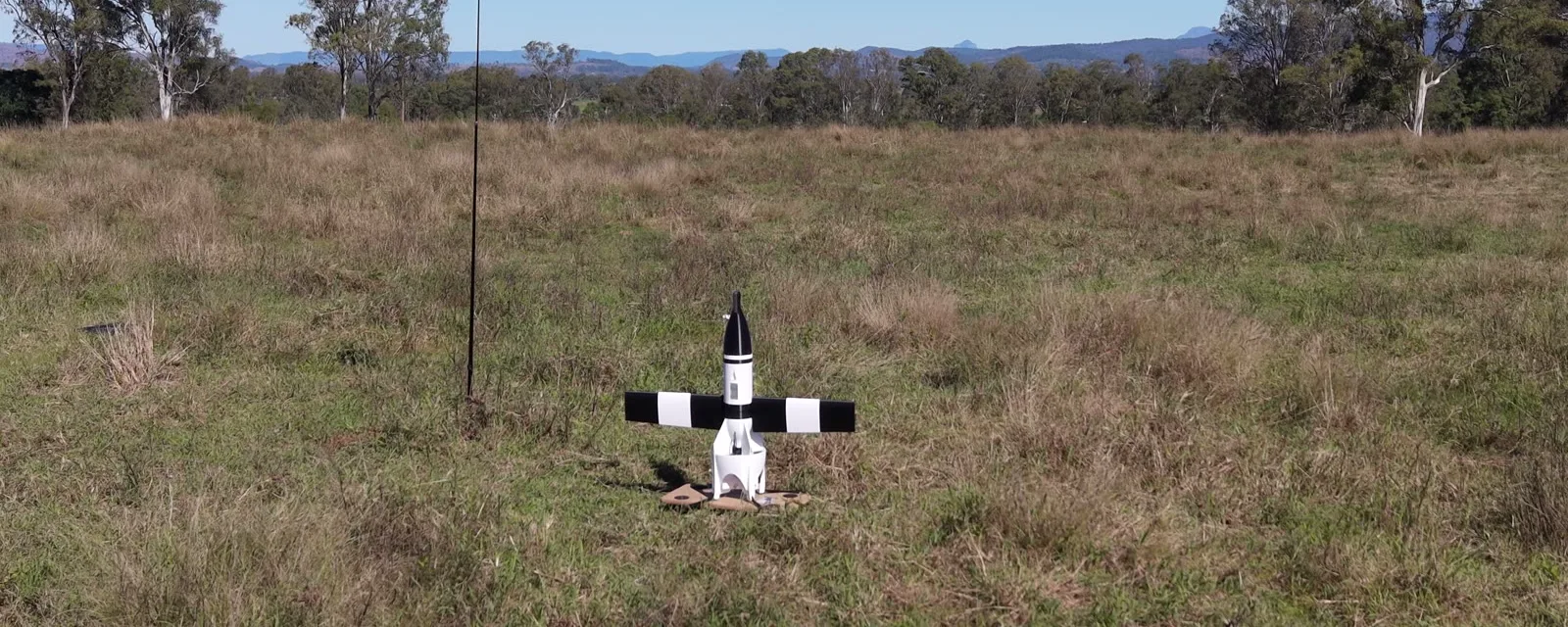
Stored ready
The aircraft is designed for the reality of service life: stored for long periods, moved as a complete system, launched without assembly and recovered vertically.
Scale before flight
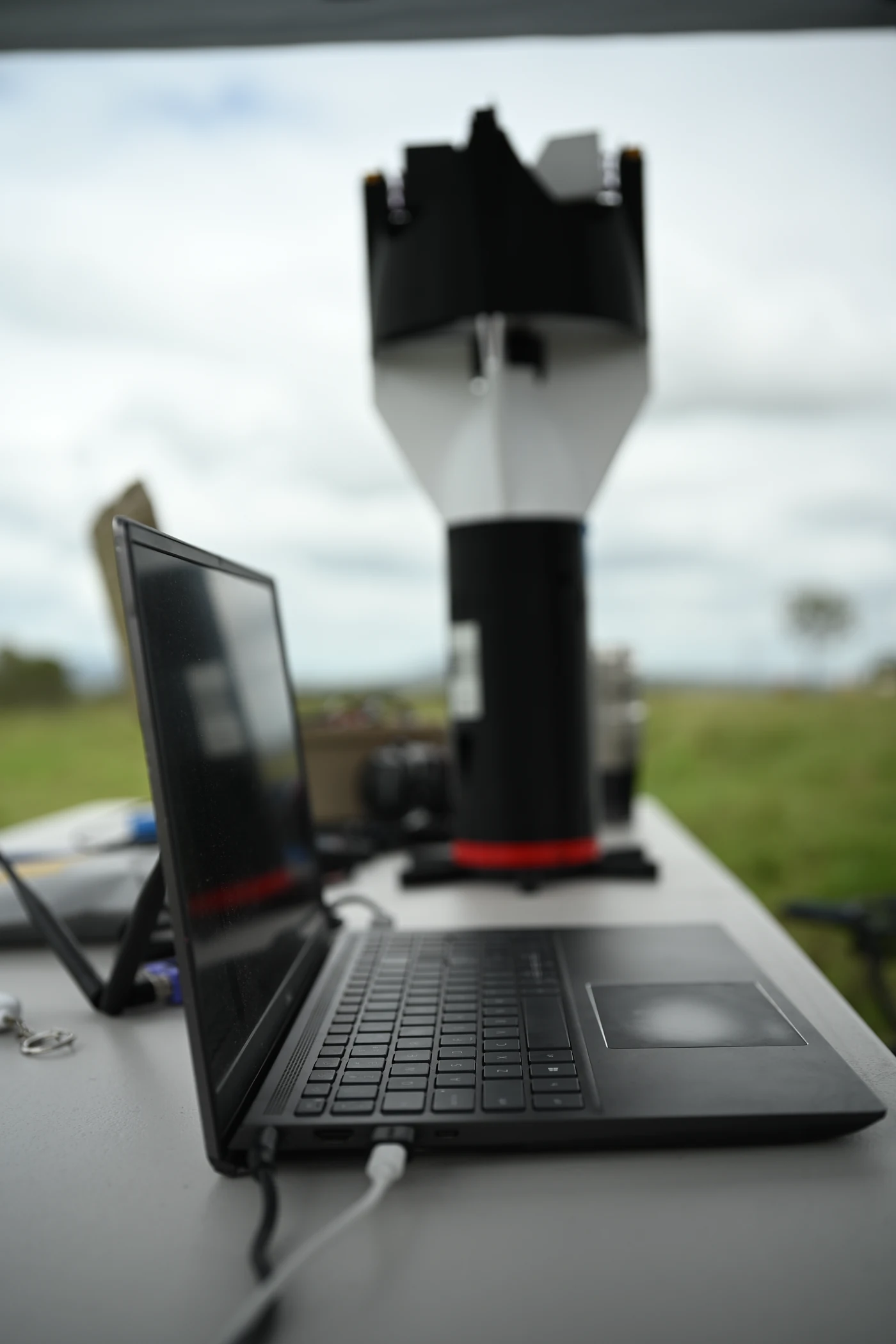
Every simulated aircraft runs the real autopilot software in its own container. Fleets of hundreds run concurrently. Mission logic, aircraft behaviour and operator workload can be examined before hardware reaches the range.
This is how a new form factor becomes mission engineering rather than a clean-sheet aerospace programme.
Bring the mission
RFD designs fast, builds fast and flies fast. The result is an aircraft system that can move with the requirement instead of locking the operator into yesterday's answer.